
How to Search Horry County Court Records
Most Horry County court records are searched through the South Carolina Judicial Branch Public Index. The free Horry County Public Index covers Circuit Court, Family Court, magistrate, and several municipal courts. You can also reach it through the statewide Case Records Search page. The county's online services page links ticket payments and court rosters too.
Before you start, have a name or a case number ready. Your browser must allow cookies and JavaScript. Some browsers need a pop-up exception to open case detail. As of January 1, 2026, home addresses no longer show on the Public Index.
- Open the Case Records Search page or the direct Horry Public Index.
- Select Horry County from the map or list.
- Read the disclaimer and click to accept it.
- Type the security code and click Validate. Pressing Enter does not work.
- Search by name, case number, court type, case type, or date range.
- Click a case number to open the docket, parties, and any document icons.
Start with one or two fields if you do not know the case number. The system matches every box you fill, so too many filters can hide the case. The county's online services hub lists the public-facing tools side by side.
The Horry County online services portal gathers the main search and payment links in one place.
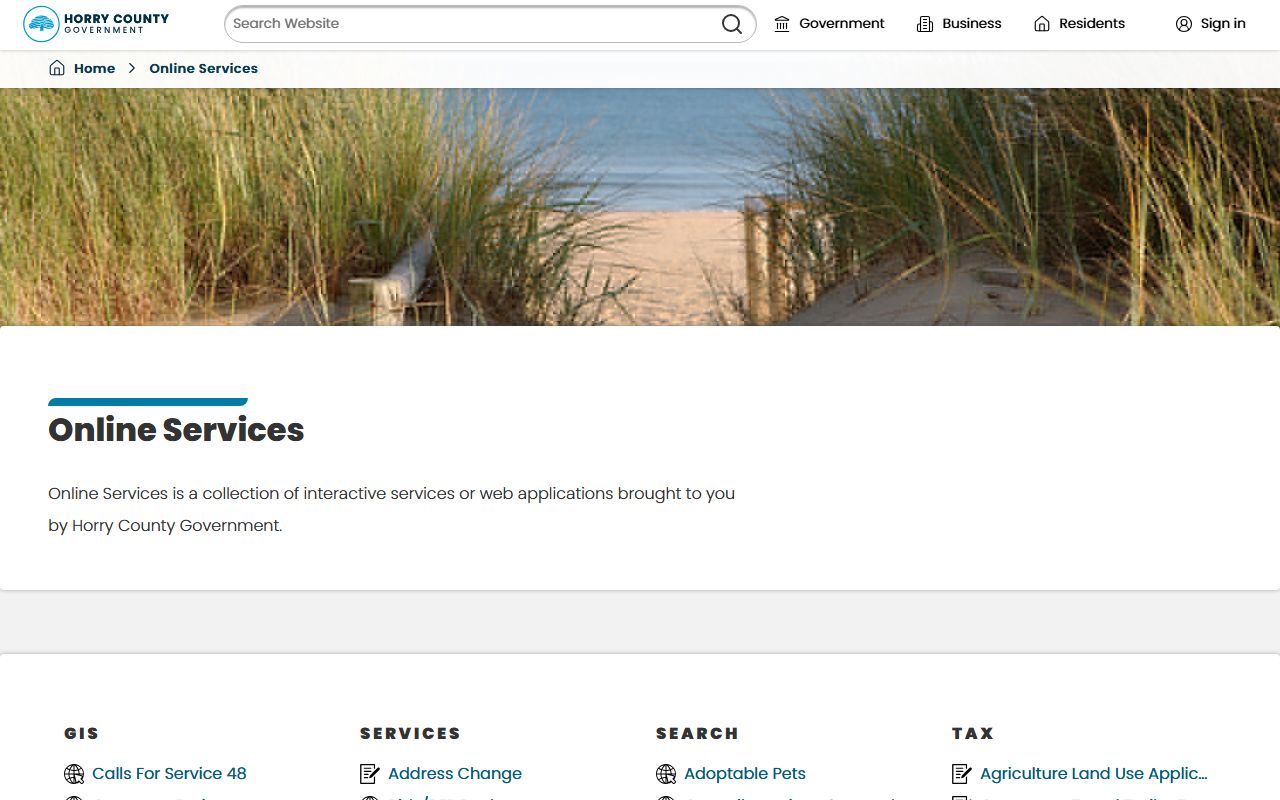
From that page you can jump to court rosters, dockets, and ticket payment without hunting through department menus.
Horry County Public Index Search Fields
The Public Index gives you many ways to find a case. You do not need to fill every box. The fields below appear on the Horry search screen.
| Field | Type | Required | Notes |
|---|---|---|---|
| Case # | Text | No | Best if you know the exact number. |
| Name / Business | Text | No | Search by beginning letters or a partial word. |
| Court Type | Dropdown | No | Circuit, Family, Magistrate, or Municipal. |
| Case Type / SubType | Dropdown | No | Civil, criminal, traffic, family, appeal. |
| Date Type / Range | Date | No | Filed, disposed, judgment, or arrest date. |
| Tax Map # | Text | No | For real estate and foreclosure cases. |
Note: the Public Index search is free, but document images are not posted for every case, and certified copies still come from the clerk.
The Horry County Judicial System
Horry County sits inside South Carolina's Fifteenth Judicial Circuit, which it shares with Georgetown County. The Circuit Court is the main trial court for serious cases. Its civil side is the Court of Common Pleas. Its criminal side is the Court of General Sessions. Family Court is a separate statewide trial court for divorce, custody, support, adoption, and juvenile matters. Probate Court is county based and handles estates, marriage licenses, guardianships, and commitments.
Below the Circuit Court sit the summary courts. Magistrate Courts hear small civil claims up to $7,500, set bail, issue warrants, and handle lower-level crimes. Municipal Courts hear city ordinance and minor criminal cases inside town limits. Appeals from these lower courts can reach the Circuit Court, and from there the South Carolina Court of Appeals and Supreme Court.
Case flow: Magistrate / Municipal Court › Circuit Court › Court of Appeals › Supreme Court
| Court | Jurisdiction | Case Types |
|---|---|---|
| Circuit Court | General trial court | Felonies, large civil suits, foreclosures |
| Family Court | Domestic and juvenile | Divorce, custody, support, juvenile |
| Probate Court | County probate | Estates, marriage, guardianship |
| Magistrate Court | Lower summary | Small claims, bail, warrants, minor crime |
| Municipal Court | City limits | Ordinance and minor criminal cases |
The South Carolina Judicial Branch courthouse page for Horry County lists the resident judges and court addresses.
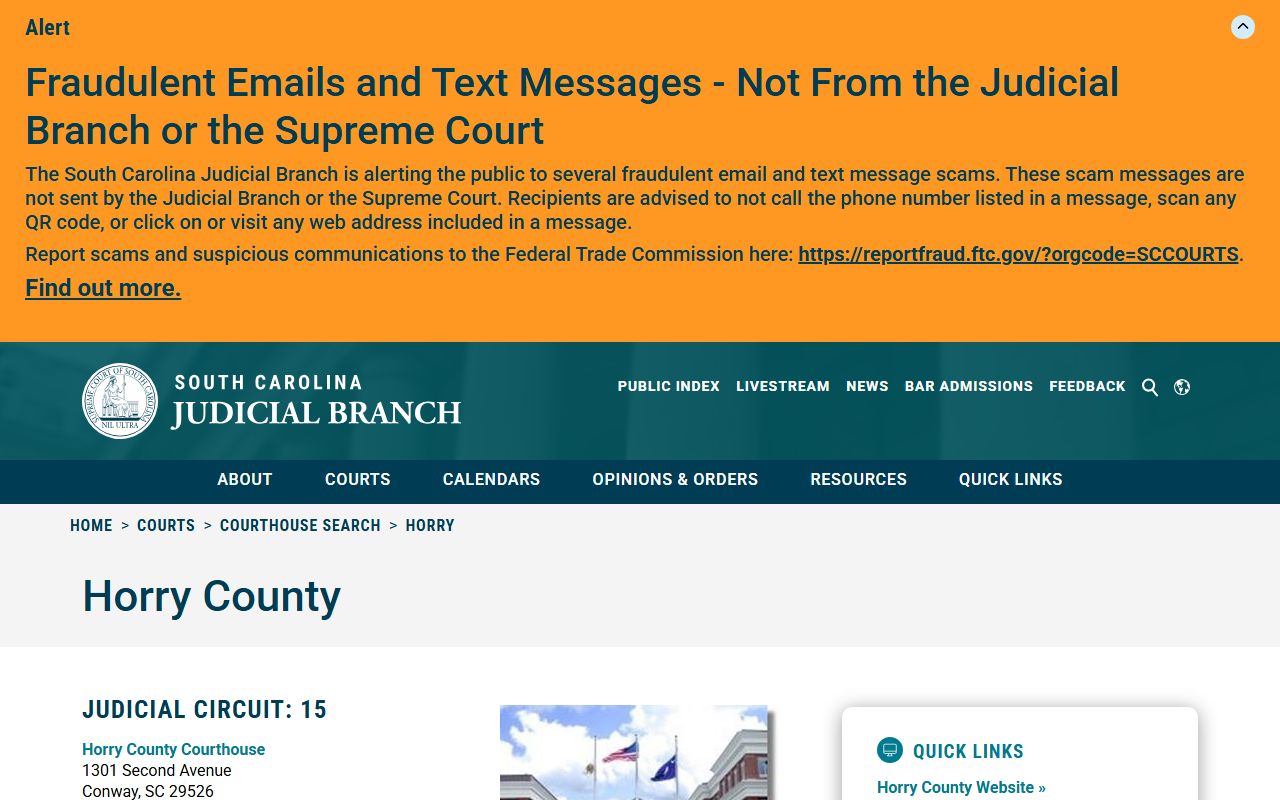
That state page is the quickest way to confirm a judge's office address before a hearing.
Horry County Courthouses
Most court business runs through two Conway addresses. The main judicial complex at 1301 Second Avenue holds Circuit, Family, and Probate Court, the Clerk of Court, the Solicitor, and Sheriff court services. The magistrate and central traffic operations sit a short distance away at 1201 Third Avenue. The detention center and bond court are outside town on J. Reuben Long Avenue.
Central Traffic / Conway Magistrate
1201 Third Avenue
Conway, SC 29526
843-915-5070
J. Reuben Long Detention Center
4150 J. Reuben Long Ave.
Conway, SC 29526
843-915-5140
Types of Court Records Available in Horry County
Horry County court records cover many case types, and each court keeps its own files. Some are fully open. Others are sealed or limited by law. The list below shows the main groups and where they sit.
Circuit Court produces the criminal and large civil files. Family Court holds divorce and custody. Probate Court keeps estates and marriage records. Lower courts handle small claims and traffic.
- Criminal records - General Sessions indictments, pleas, sentencing, and dispositions.
- Civil records - Common Pleas complaints, judgments, liens, and foreclosures.
- Family records - divorce, custody, support, and name change through Family Court.
- Probate records - wills, estates, guardianships, and marriage licenses.
- Traffic records - citations and dispositions in magistrate and municipal courts.
For deeper detail, see the Horry County court records page and the court dockets page.
What Horry County Court Records Show
A typical Horry County court record holds the basic case facts plus a running list of what happened. The fields below show up in most Public Index case views. Not every field appears on every case, and some data is redacted by law.
| Field | What It Shows |
|---|---|
| Case Number | The court-assigned number for the case. |
| Filing Date | When the case was filed or received. |
| Parties | Plaintiff, defendant, or other roles. |
| Charges / Cause | Charge, statute, or the civil cause of action. |
| Disposition | The outcome, such as guilty, dismissed, or judgment. |
| Financials | Fines, fees, court costs, and payments. |
Home addresses were removed from the Public Index for all cases as of January 1, 2026.
Public Access Laws for Horry County Court Records
South Carolina opens public records through the Freedom of Information Act, found in Title 30, Chapter 4 of the state code. The law says public business should be done openly and that people can learn about it at low cost and little delay. Court access also rests on the state's open-courts tradition and on court rules. Access is not total, though. Some records are sealed, redacted, or closed by statute.
Court case access usually starts with the Public Index or the proper clerk office, not a FOIA request. A FOIA request fits better for administrative county records. Horry runs FOIA through its Public Information Office.
Key Statutes:
S.C. Code § 30-4-30 - gives a person the right to inspect and copy public records unless an exemption applies.
S.C. Code § 30-2-10 - the Family Privacy Protection Act, which shields personal data like Social Security and account numbers.
S.C. Rule of Civil Procedure 41.1 - sets the bar courts use before sealing a settlement or document.
Records That Are Restricted or Confidential
Not all court files are open. Juvenile cases, adoption records, and mental health commitments are closed by law. Sealed civil settlements and expunged criminal records do not show in the Public Index. Personal data such as Social Security numbers, account numbers, and medical records is redacted. As noted above, home addresses came off the Public Index in 2026.
To view a sealed record, a person usually needs a court order. Expungements run through the Fifteenth Circuit Solicitor's Office, which screens eligibility under Title 17, Chapter 22 and related statutes. A blacked-out file may still be released in part rather than withheld in full.
Specialty Courts in Horry County
South Carolina runs problem-solving courts as alternatives to ordinary jail time for some defendants. The state judiciary lists Treatment Court and a Mental Health Initiative among its trial-court resources. These programs use close supervision, testing, and regular court reviews.
Horry County also uses court-connected custody options. The detention center runs a Home Detention program with GPS and alcohol monitoring, which a court can order as a bond condition. The jail's inmate programs aim at reentry, personal growth, and lower repeat offending. A chaplain handles religious requests and death notifications.
Horry County Sheriff and Jail
The Horry County Sheriff is Phillip E. Thompson. The office provides court security, civil process, warrant service, and runs the J. Reuben Long Detention Center under Director Marcus Rhodes. The Horry County government site links the Sheriff and detention pages.
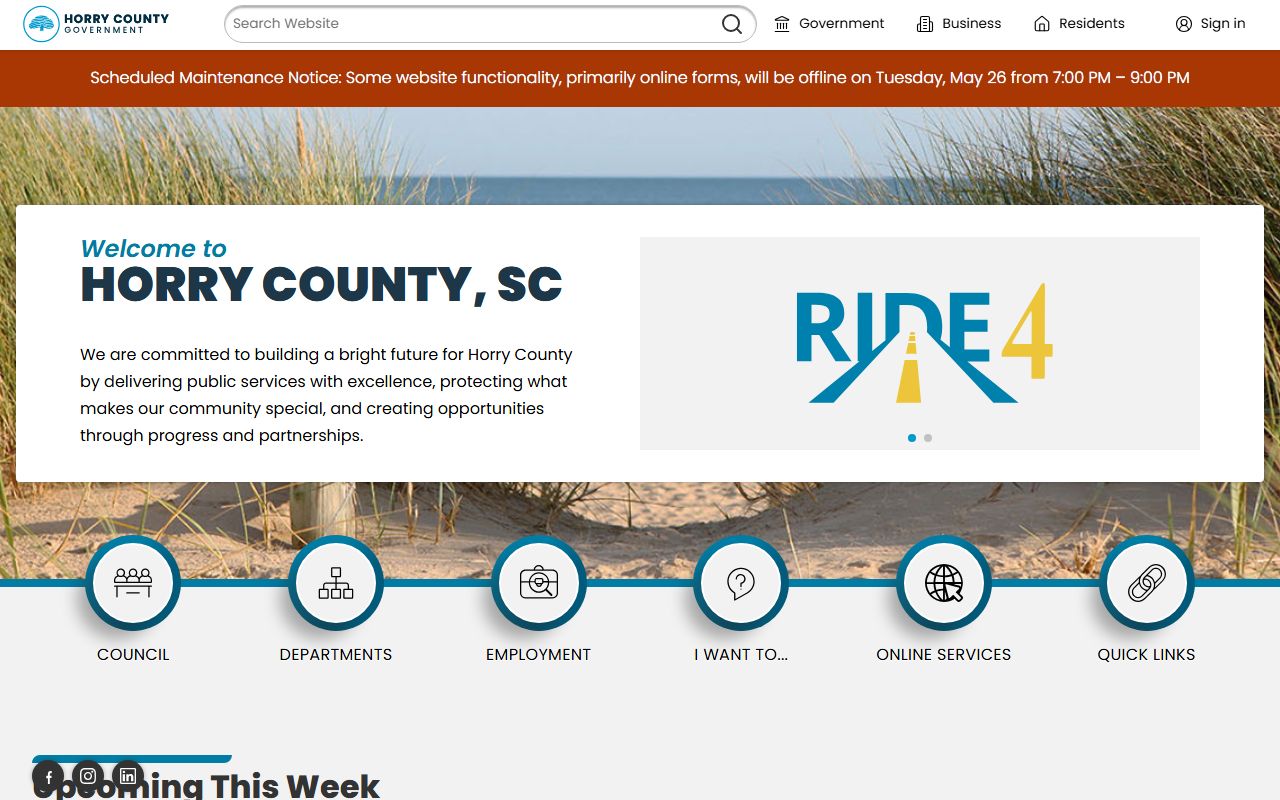
From the county homepage you can reach the bookings app, the warrant division, and inmate services in a few clicks.
For the full jail roster and booking details, see the Horry County inmate records page. For active warrants, see the warrant records page. The released inmates page covers how to confirm a release date.
Marriage, Divorce, and Probate Records
Marriage licenses come from Probate Court, which also keeps estates and guardianships. Divorce is a Family Court matter handled through the Clerk of Court. See the marriage and divorce records page and the probate records page for fees and forms.
- Testator
- A person who dies leaving a valid will.
- Executor
- The person named in a will to settle the estate.
- Conservator
- A person who manages money or property for someone who cannot.
- Guardian
- A person responsible for the care and personal choices of a ward.
Horry County Court Records Fees
Fees depend on which office holds the record. Horry County's FOIA schedule, Probate Court fees, and clerk copy fees are separate buckets. The table below shows common amounts pulled from official county pages. Always confirm the current fee before you pay.
| Item | Amount |
|---|---|
| FOIA copy, 8.5x11 page | $0.15 |
| FOIA staff time | $25/hour |
| Probate certified copy | $5 plus $0.50/page |
| Probate photocopy | $0.50 |
| Marriage license (Horry resident) | $55 |
| 911 audio file | $25 (plus $5 for CD) |
Note: the clerk's exact certified-copy fee for Circuit and Family Court files is best confirmed by calling 843-915-5080.
How to Interpret Horry County Court Records
Court files use shorthand. A docket lists actions in date order, such as a motion filed, a hearing set, or an order entered. A disposition is the outcome of a charge or case. An arrest or a charge is not the same as a conviction. A charge is only an accusation. A conviction is a guilty plea or finding.
Bond, capias, and bench warrant terms show up often in criminal files. A bench warrant is judge-issued, often for a missed court date. Traffic cases may show a status code like NRVC. When a code is unclear, the clerk or the issuing court can explain it. A booking entry in the jail app is not the official court docket.
Accuracy and Record Limitations
Online records can lag behind the courthouse. A new filing or a fresh disposition may take time to post. The booking app even warns that the county cannot validate every entry. Public-facing results are not a certified criminal-history report.
Note: Confirm any case detail with the clerk or the originating court before you rely on it for a legal, job, or licensing decision.
History of Horry County Courts
Horry County is South Carolina's easternmost county and includes the Grand Strand and Myrtle Beach, with Conway as the county seat. The old Horry County Courthouse was built in 1825, designed by Robert Mills, and served until 1908, when it was sold to the City of Conway for $4,000. Today's filings run through the modern judicial complex on Second Avenue.
The county has grown fast. Census figures put the 2020 population at 351,029 and the 2025 estimate at 427,551. That growth feeds the court load, from traffic in beach towns to civil and family cases countywide.
You can review the county's Census QuickFacts profile for population and land-area figures.
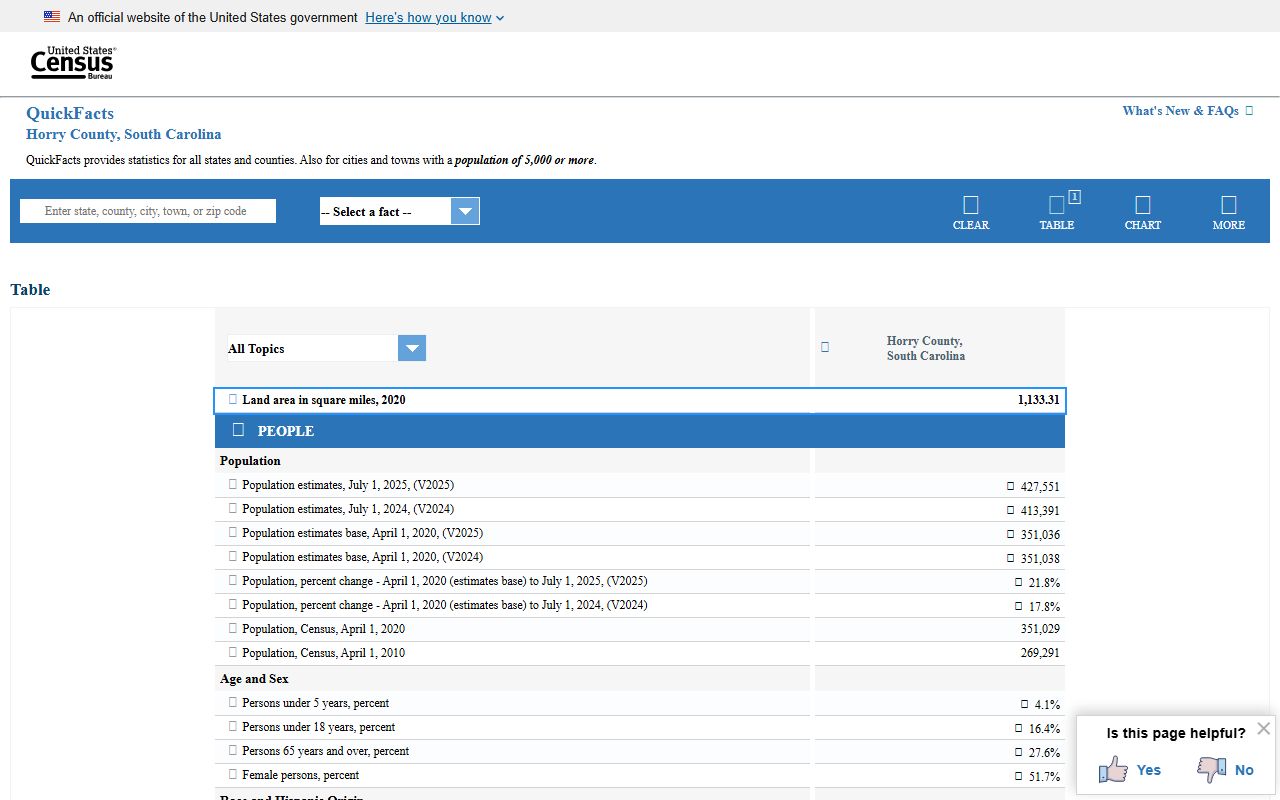
Those numbers help explain why Horry runs seven municipal courts plus a busy central traffic court.
Frequently Asked Questions
How do I search Horry County court records online?
Use the South Carolina Judicial Branch Case Records Search or the direct Horry Public Index. Select Horry County, accept the disclaimer, enter the security code, and search by case number, name, court type, or date. Start with one or two fields because the system matches everything you enter.
Is the Horry Public Index free?
Yes. The search is free and needs no paid account. Your browser must allow cookies and JavaScript. Document images are not posted for every case, and certified copies still come from the clerk or court office that holds the file.
What court handles major criminal cases?
General Sessions, the criminal side of Circuit Court, handles felonies and serious misdemeanors. The Fifteenth Circuit Solicitor, Jimmy Richardson, prosecutes these cases for Horry and Georgetown Counties. For more, see the arrest records page.
More answers are on the Horry County court records FAQ page.